
Guest Posts
 Aksana
 27 Feb 2026
 Hits: 1520
Aksana
27 Feb 2026
Hits: 1520
comment
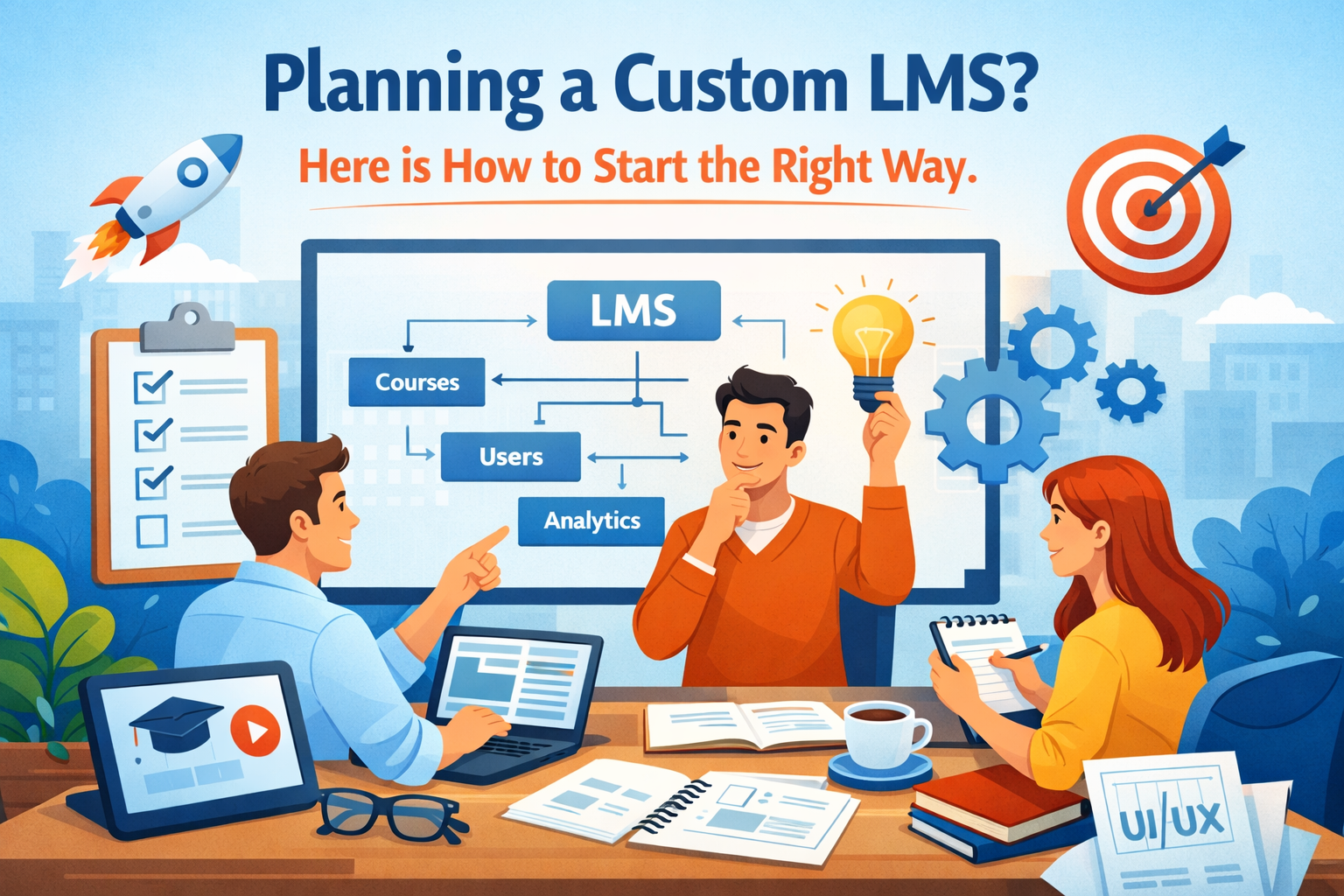
Custom e-learning is more than just digital training — it’s a strategic tool for transforming how your organization educates employees, partners, or paying learners.
Unlike generic, pre-made courses, custom e-learning refers to training content and software that are designed, written, and built specifically for your organization’s goals, workflows, and brand identity. It may include a custom LMS, a marketplace, role-based learning environment, or a full suite of tailor-made interactive courses.
If you're looking to build a truly tailored learning platform - one that reflects your brand, adapts to your learners’ needs, and grows with your organization - a custom e-learning project can be a strategic investment. Unlike out-of-the-box solutions, a custom platform gives you full control over features, design, integrations, and user experience.
Guest Posts
Aksana
12 Dec 2025
Hits: 1493


Aksana
12 Dec 2025
Hits: 1493
comment
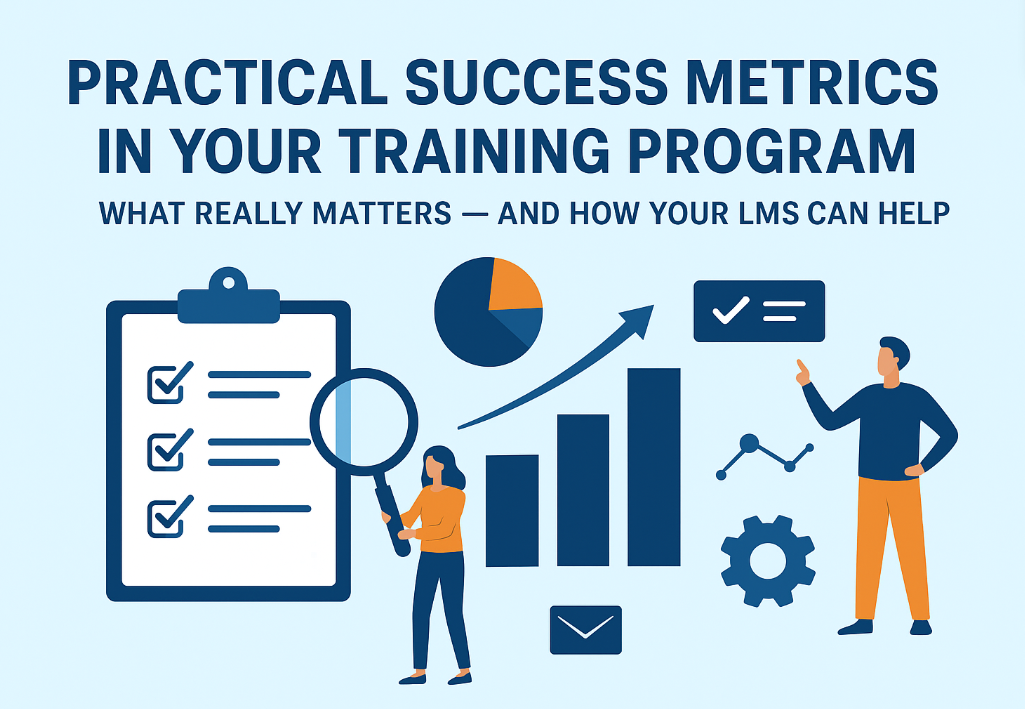
In our earlier post on the importance of analytics, we explored why reporting matters; in this article, we take it a step further and focus on the practical success metrics you should track inside your LMS.
Measuring the effectiveness of training is one of the biggest challenges for any organization. You invest time, effort, and budget into building learning programs — but how do you know whether they’re actually working?
The answer lies in tracking the right metrics. Effective training evaluation isn’t about one number or one score — it’s about understanding the full learning journey: from initial engagement to knowledge retention, behavior change, and ultimately, business impact.
Guest Posts
Aksana
21 Nov 2025
Hits: 1311
Aksana
21 Nov 2025
Hits: 1311
comment
In the fast-paced world of digital learning, eLearning designers face the challenge of creating courses that not only engage learners but also foster long-term knowledge retention and skill development. But how can you ensure your eLearning design maximizes the brain’s potential? The answer lies in neuroscience - the science of how the brain learns, encodes, and retrieves information.
Neuroscientists are unveiling the brain’s organic processes for learning, offering insights that align with our everyday experiences of learning and development. By understanding the brain’s natural mechanics, we can design eLearning that enhances learning outcomes by working with the brain, not against it.
Guest Posts
Aksana
01 Sep 2025
Hits: 1339
Aksana
01 Sep 2025
Hits: 1339
comment
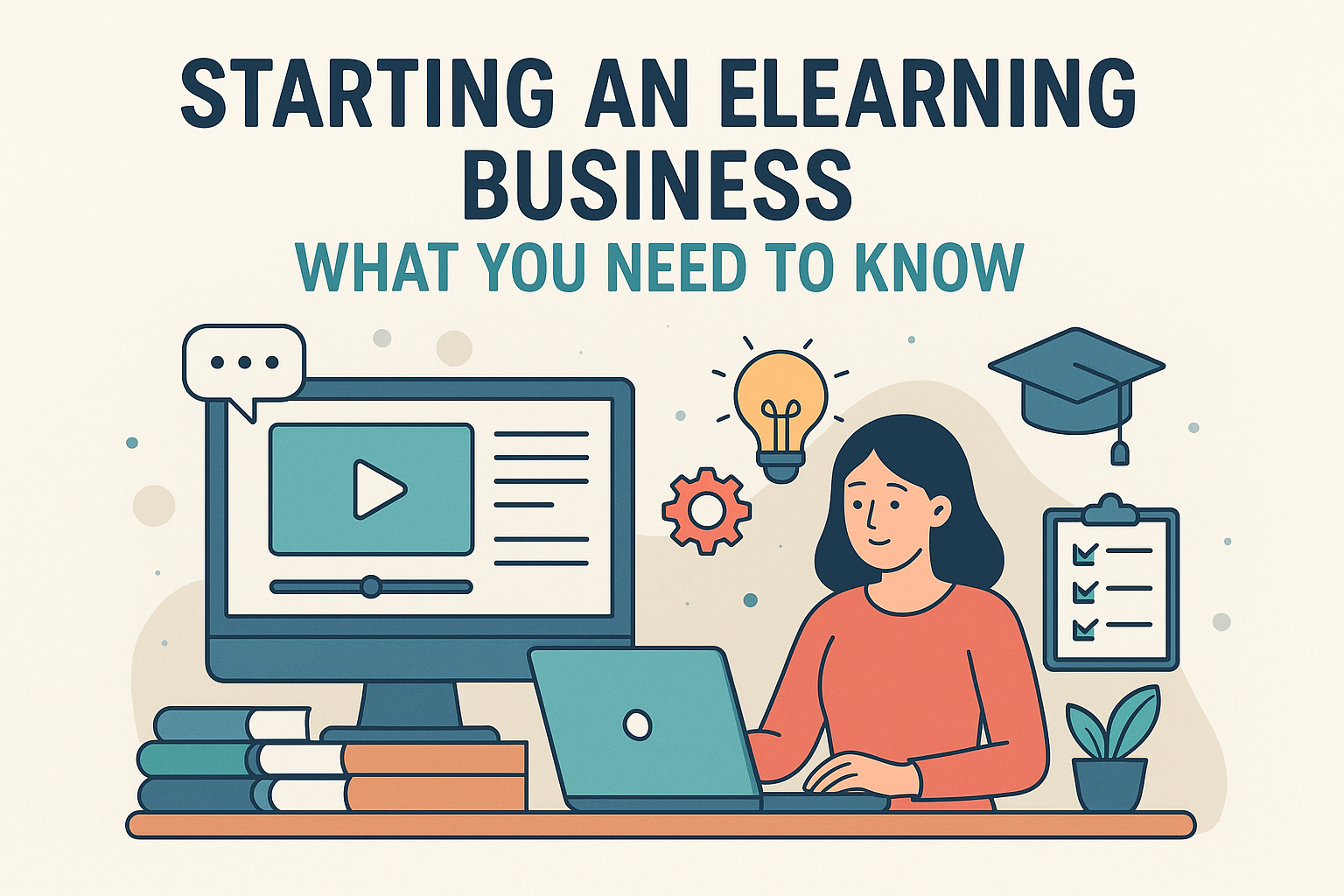
In today's digital age, the eLearning industry presents a compelling opportunity for entrepreneurs. The global demand for online education has surged, driven by the need for flexible learning solutions and advancements in technology. Establishing an eLearning business can be a rewarding venture, offering the potential for significant growth and impact. More information on why it is reasonable to invest in eLearning you can find here.
However, venturing into this field requires careful planning and a clear understanding of the market. Here are key things to consider when starting an eLearning business
Guest Posts
Aksana
01 Jul 2025
Hits: 1025
Aksana
01 Jul 2025
Hits: 1025
comment
When managing an online platform, particularly a Learning Management System (LMS), maintaining a balance between protecting content and offering a seamless user experience is crucial.
A common practice some administrators consider is disabling the right-click function on their websites. The motivation behind this approach often stems from a desire to protect content, like images, from being easily copied or to prevent users from viewing the source code.
However, before taking this step, it’s essential to understand the implications and explore alternative methods that can achieve your goals without compromising the user experience.